Gufkral
Gufkral ('guf' means cave and 'kral' means potter) is a site inhabited by potters who utilize the caves. The cave of gufkral is one of the oldest cave in Kashmir and some estimates trace their origin 2000-3000 BCE.[1]
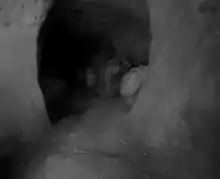
The excavation by an Archaeological Survey of India team led by A K Sharma from 18 August to 20 October in 1981 revealed that the site was occupied for five periods from the Aceramic Neolithic to Megalithic periods.[2][3][4][5]
Location
Gufkral is situated 41 km (25 mi) southeast of Srinagar near the tehsil town of Tral in the Pulwama district of Jammu and Kashmir.[6][7]
References
- "Gufkral, the endangered legacy of cavemen, metallurgists and Shahmar Pals". Greater Kashmir. 2018-08-03. Retrieved 2021-01-23.
- "Neolithic site Gufkral facing official neglect". The INS News. Retrieved 2021-01-24.
- "Gufkral | archaeological site, India". Encyclopedia Britannica. Retrieved 2021-01-24.
- SHARMA, A. K. (1982). "Gufkral 1981: An Aceramic Neolithic Site in the Kashmir Valley". Asian Perspectives. 25 (2): 23–41. ISSN 0066-8435. JSTOR 42928083.
- "Tral's Gufkrals'". Kashmir Life. 2019-01-23. Retrieved 2021-01-24.
- rashid, basharat. "The Potters of Bonn Mir, and the Gufkral Neolithic Cave Site". The Citizen. Retrieved 2021-01-24.
- Ahmad, Syed Mustafa (2020-04-30). "Neolithic Age with respect to Mehargarh, Burzahom and Gufkral". Asnaav. Retrieved 2021-01-24.
This article is issued from Wikipedia. The text is licensed under Creative Commons - Attribution - Sharealike. Additional terms may apply for the media files.