Vermont wine
Vermont wine refers to wine made from grapes grown in the U.S. state of Vermont. The first commercial winery in Vermont, Snow Farm Winery, opened in 1997. Vermont is a very cold climate for viticulture. Vermont wineries have focused on using cold-hardy French hybrid grapes, but have been experimenting with some Vitis vinifera varieties. Some Vermont wineries produce wine made from grapes grown in other states, especially New York.[2]
| Wine region | |
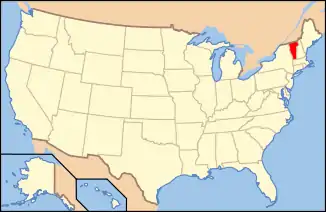 | |
| Official name | State of Vermont |
|---|---|
| Type | U.S. state |
| Year established | 1791 |
| Years of wine industry | 1997-present |
| Country | United States |
| Total area | 9,620 square miles (24,916 km2) |
| Size of planted vineyards | 175 acres (71 ha)[1] |
| Grapes produced | Baco noir, Cayuga, Chardonnay, Frontenac, Leon Millot, Marechal Foch, Riesling, Seyval blanc, St. Croix, Traminette, Vidal blanc, Vignoles, Zweigelt[1][2] |
| No. of wineries | 7[2] |
Vermont is a center for natural wine and biodynamic wine production.[3]
References
- Cannella, Mark. "2015 Vermont Vineyard Feasibility Study" (PDF). University of Vermont.
- "Vermont: Appellation Profile". Appellation America. 2007. Archived from the original on September 4, 2013. Retrieved November 28, 2007.
- Jacobsen, Rowan (December 17, 2019). "New England's Winemakers Don't Care How They Do It in California". Boston Magazine.
External links
This article is issued from Wikipedia. The text is licensed under Creative Commons - Attribution - Sharealike. Additional terms may apply for the media files.