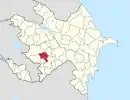
Shushikend
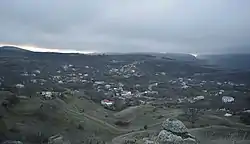
Shushikend (Armenian: Շուշիքենդ; Azerbaijani: Şuşikənd), Shushakend (Azerbaijani: Şuşakənd), or Shosh (Armenian: Շոշ) is a village de facto in the Askeran Province of the self-proclaimed Republic of Artsakh, de jure in the Khojaly District of Azerbaijan. The village has an ethnic Armenian-majority population and also had an Armenian majority in 1989.[2]
Shushikend / Shosh
Շուշիքենդ / Շոշ Şuşikənd • Şuşakənd | |
|---|---|
 | |
  Shushikend / Shosh 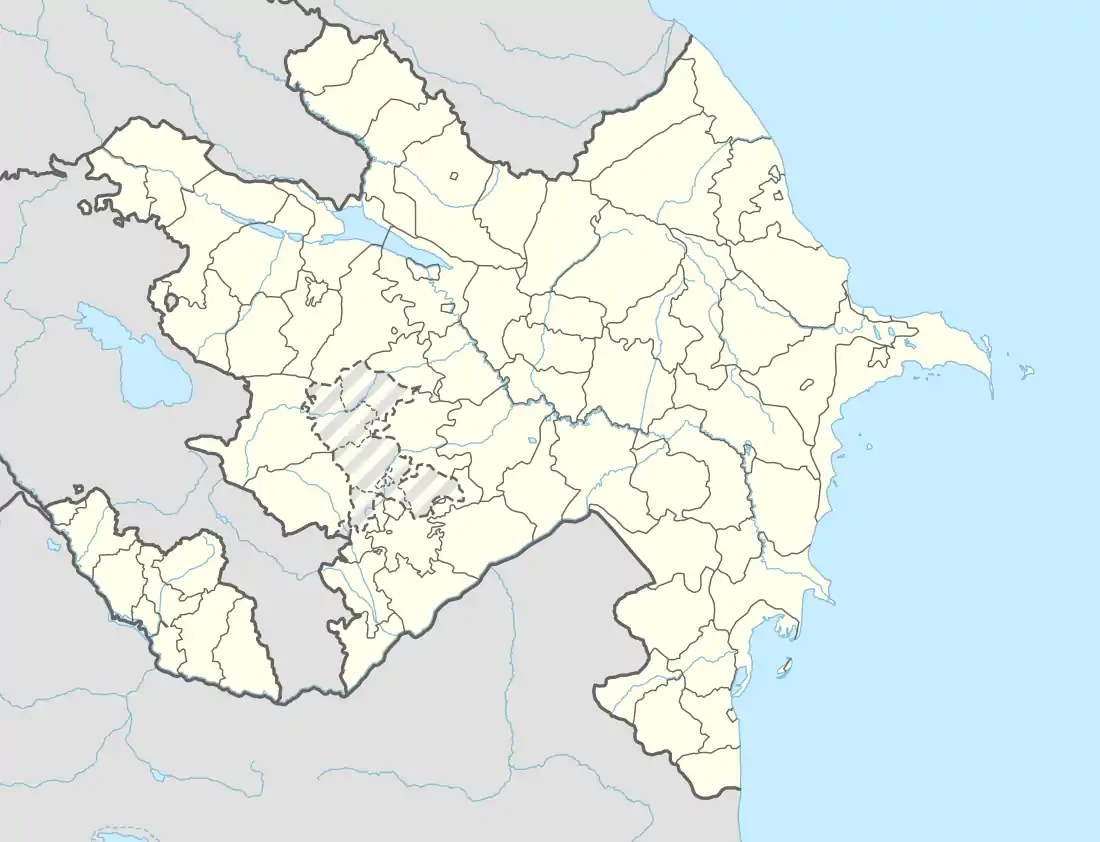 Shushikend / Shosh | |
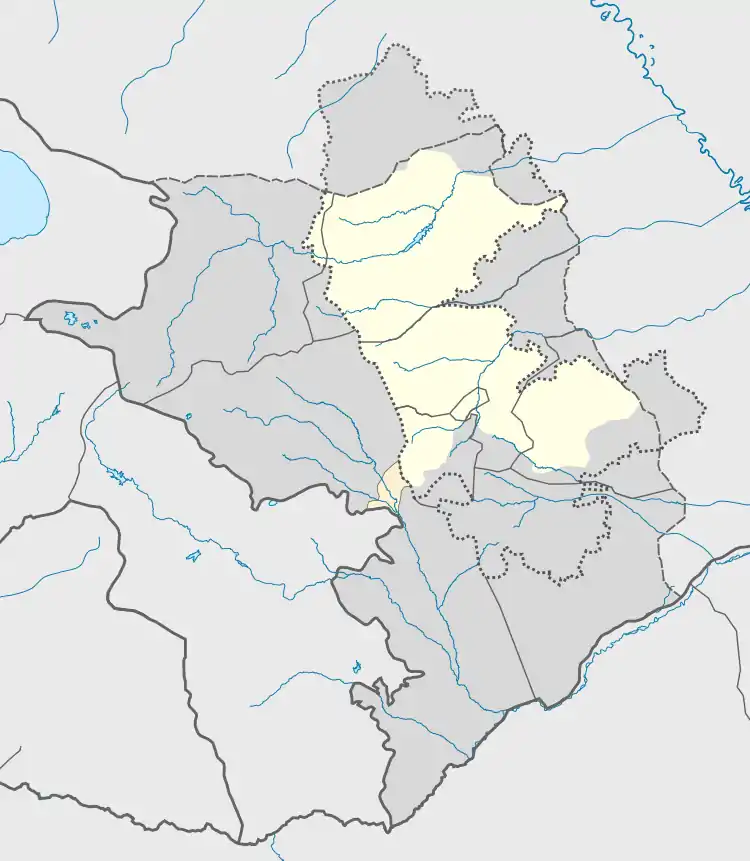
| Coordinates: 39°46′12″N 46°47′05″E | |
| Country |  Azerbaijan (de jure) Azerbaijan (de jure) Artsakh (de facto) Artsakh (de facto) |
| District Province | Khojaly (de jure) Askeran (de facto) |
| Elevation | 1,024 m (3,360 ft) |
| Population (2015)[1] | |
| • Total | 641 |
| Time zone | UTC+4 (AMT) |
History
Shosh's name and history is connected to that of Shusha (Shushi), which is located a short distance from the village. The Armenian historian Leo considered it likely that the village Shosh received its name from Shushi, which he considered the older settlement, although some sources say that Shushi received its name from the village.[3][4]
During the Soviet period, the village was a part of the Askeran District of the Nagorno-Karabakh Autonomous Oblast. The village has been administered by the Republic of Artsakh since the First Nagorno-Karabakh War.
After the 2020 Nagorno-Karabakh war, five Armenian families displaced from Gulably (Vazgenashen) settled in the village, as well as in Khojaly (Ivanyan).[5][6]
Religious sites
There are three Armenian churches in the village, 19th-century St. Astvatsatsin Church in the village centre, St. Stepanos Church built in 1655 on the village cemetery grounds, and above the village on a hill in the north, there is a church with an adjacent cemetery with khachkars. The 19th-century Karmir Taran chapel is also located in the village.[7][1][8]
Economy and culture
The population is mainly engaged in agriculture and animal husbandry. The village has a municipal building, a house of culture, a medical centre and a secondary school.[1]
Notable people
- Arsen Terteryan (1882-1953) – Soviet Armenian scientist and writer
Gallery
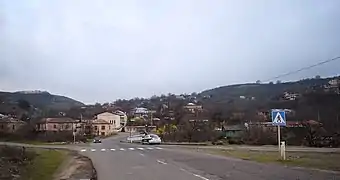 A view of the village
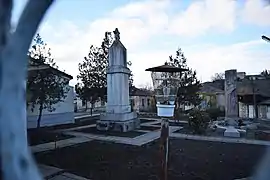 Memorial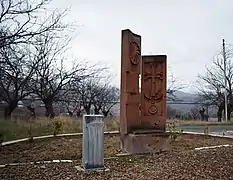
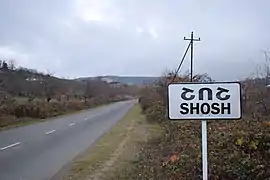 Sign in Armenian and Latin characters
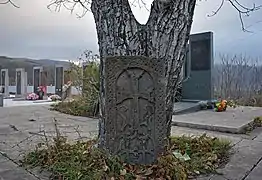 Cemetery
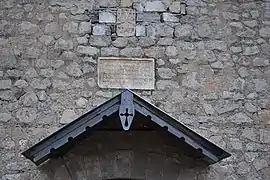 Village church
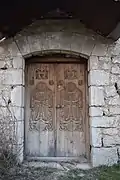 Church door
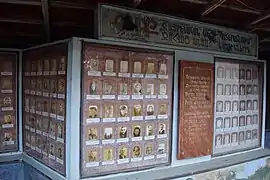 World War II memorial wall
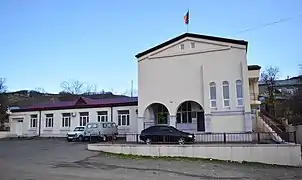 Municipality building
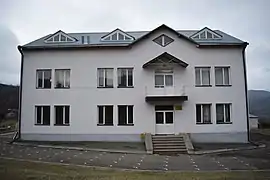 School
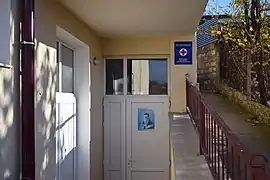 Medical center
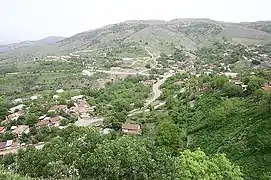 A view of the village
References
- Hakob Ghahramanyan. "Directory of socio-economic characteristics of NKR administrative-territorial units (2015)".
- Андрей Зубов. "Андрей Зубов. Карабах: Мир и Война". drugoivzgliad.com.
- "Brockhaus and Efron Encyclopedic Dictionary". Archived from the original on 7 April 2019. Retrieved 7 September 2021.
- Mkrtchyan, Shahen (1980). "City of Shushi (Շուշի քաղաքը)". Լեռնային Ղարաբաղի պատմա-ճարտարապետական հուշարձանները [Historical-architectural monuments of Mountainous Karabakh] (PDF) (in Armenian). Yerevan: Hayastan publishing house. p. 146. Archived (PDF) from the original on 14 July 2021. Retrieved 16 December 2020.
- Մարտունու շրջանի Վազգենաշեն համայնքը նույնպես անցել է Ադրբեջանին
- Մարտունու շրջանի Վազգենաշեն համայնքը նույնպես անցել է Ադրբեջանի վերահսկողության ներքո
- Mkrtchyan, Shahen. Historical-Architectural Monuments of Nagorno Karabagh. Yerevan, 1989. (Շահեն Մկրտչյան, «Լեռնային Ղարաբաղի պատմաճարտարապետական հուշարձանները»)
- Kiesling, Brady; Kojian, Raffi (2019). Rediscovering Armenia: An in-depth inventory of villages and monuments in Armenia and Artsakh (3rd ed.). Armeniapedia Publishing.
- "The Results of the 2005 Census of the Nagorno-Karabakh Republic" (PDF). National Statistic Service of the Republic of Artsakh.
External links
 |
Wikimedia Commons has media related to Şuşakənd. |